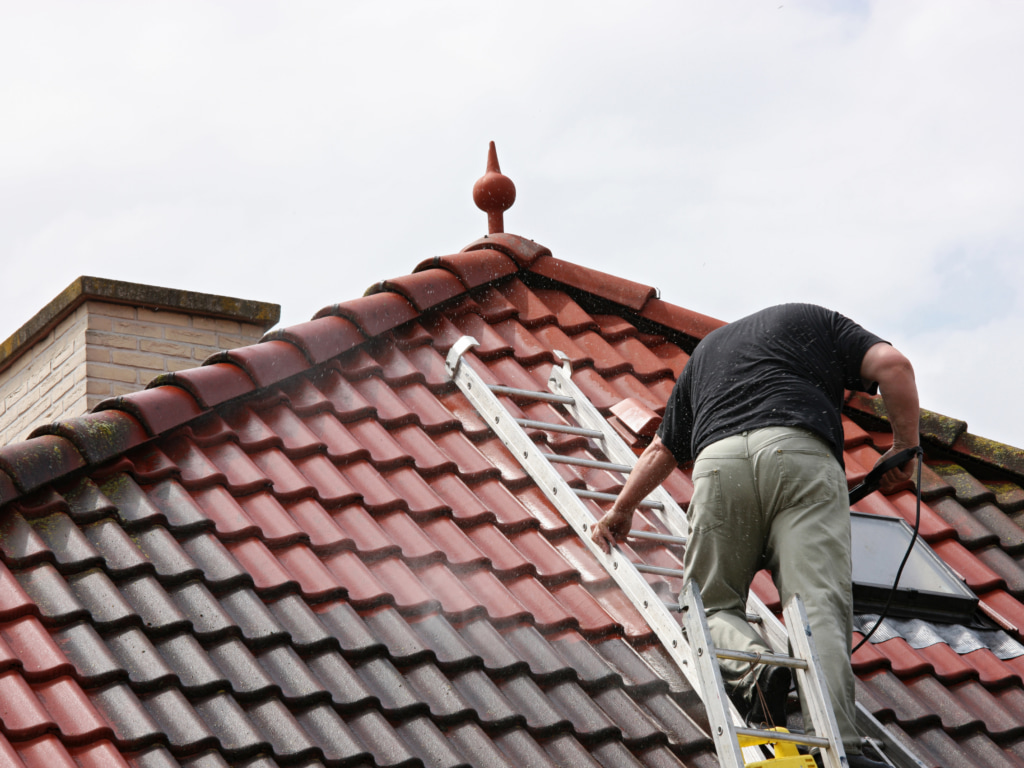
A roofing problem is not always as straightforward as it first appears. A damp patch on a ceiling, a slipped tile or a visible defect may indicate that attention is needed, but successful roof repair depends on understanding why the problem has developed and how much of the surrounding roofing system has been affected.
For homeowners in Emsworth, Hampshire, professional roof repairs should follow a logical process: identify the fault, assess its extent, determine the appropriate repair and restore the roof’s ability to protect the property. Understanding this process helps explain why accurate diagnosis is just as important as the repair itself.
Roof Repair Starts with Finding the Real Problem
The first stage of effective roof repair is identifying the underlying fault. Treating only the most obvious symptom can leave the original problem unresolved.
For example, water staining inside a property does not necessarily mean that water is entering directly above the affected area. Moisture can travel beneath roof coverings or along structural components before becoming visible internally.
A professional assessment may therefore examine:
- Tiles or slates
- Ridge details
- Lead flashing
- Valleys and roof junctions
- Chimney areas
- Underlay where accessible
- Signs of previous water ingress
The objective is to establish where the roofing system has become vulnerable and why.
Why Roof Leaks Can Be Difficult to Trace
Roof leaks are among the most common reasons homeowners request repairs, but finding their source can require careful investigation.
Rainwater follows the easiest available route. Once it passes through a weakness in the external covering, it may move along underlay, timbers or other surfaces before eventually appearing inside the property.
The conditions under which a leak occurs can also provide useful information. Some defects may only allow water to enter during heavy rainfall, while others become apparent when rain is combined with strong winds.
Accurate leak detection prevents unnecessary work and allows the actual entry point to be addressed.
Assessing the Extent of the Damage
Once the likely fault has been located, the surrounding area needs to be assessed.
A single damaged tile may genuinely be an isolated problem. However, if moisture has been entering for some time, components underneath or around it could also require attention.
Professional roofers may check for deterioration affecting:
- Nearby roofing materials
- Battens
- Underlay
- Timber components
- Flashing
- Internal roof areas
Understanding the extent of the problem helps ensure that the repair restores more than just the visible surface.
Slipped, Cracked and Broken Tiles
Individual tile defects are a good example of why timely roof repairs matter.
A slipped or broken tile creates a weakness in a roof covering that is otherwise designed to shed water downwards and away from the property. Once that arrangement is disrupted, the materials underneath can become more exposed.
Depending on the circumstances, repairs may involve replacing damaged tiles, securing displaced materials and checking nearby sections for related deterioration.
Prompt attention can help keep an isolated defect from developing into a wider roofing problem.
Flashing Requires Careful Attention
Lead flashing helps weatherproof vulnerable areas where roofing materials meet other structures or surfaces. These details can be found around features such as chimneys and roof junctions.
If flashing becomes loose, damaged or deteriorated, water may begin finding its way behind the roofing materials.
Effective repair requires more than simply covering the affected area. The flashing and surrounding roof need to be examined so that the weatherproof detail can be restored correctly.
Ridge and Junction Problems Need Proper Diagnosis
Ridges, valleys and other roof junctions play important roles in directing water and maintaining the integrity of the roof covering.
Because these areas often involve several components meeting together, deterioration can sometimes affect more than one element.
A thorough inspection establishes whether the issue is limited to a particular component or forms part of a wider area requiring repair.
Repairing the Cause Rather Than the Symptom
One of the most important principles of professional roof repair is dealing with the cause.
If water is entering because flashing has failed, addressing an internal damp patch will not stop the leak. If tiles have repeatedly moved because surrounding components have deteriorated, simply repositioning them may not provide a lasting solution.
Good roof repair asks several questions:
- What has failed?
- Why has it failed?
- Has anything else been affected?
- What is required to restore weather protection?
- Is there another developing weakness nearby?
This methodical approach provides a stronger basis for dependable repairs.
Restoring the Roof’s Protective Layers
Once the problem has been properly diagnosed, repair work can focus on restoring the affected parts of the roofing system.
Depending on the defect, this may involve work to tiles, slates, flashing, underlay, battens or other components.
The aim is not simply to make the roof look complete again. A successful repair should restore the way the affected area manages rainwater and protects the layers beneath it.
This distinction is important because roofing performance depends on several components working together.
Why Early Repairs Are Valuable
Small roofing defects are generally easier to contain before prolonged exposure to the weather allows deterioration to spread.
A minor opening in the roof covering can expose materials beneath it to repeated moisture. Over time, this can increase the area requiring attention.
Early professional repairs can help protect:
- Existing roofing materials
- Roof timbers
- Loft insulation
- Internal ceilings
- Decorative finishes
Responding to warning signs promptly is therefore an important part of maintaining the roof as a whole.
What Happens After the Repair?
Completing the physical repair is only part of the process. The repaired area should also be checked to ensure the relevant components have been correctly restored.
Attention may be given to:
- Security of replacement materials
- Alignment with surrounding roof coverings
- Weatherproof detailing
- Condition of adjacent areas
- Overall finish
Careful checking helps ensure the repair integrates properly with the existing roof.
Does Every Roofing Problem Require Extensive Work?
No. Many roof defects can be resolved with targeted repairs when they are localised and the wider roof remains in serviceable condition.
The important point is not to assume either way.
A minor-looking defect can sometimes hide additional deterioration, while an alarming internal leak may originate from a relatively contained roofing problem. Professional assessment allows the scope of work to be based on the actual condition of the roof.
The Importance of Skilled Roof Repairs
Roofing systems contain numerous details that are easy to overlook without appropriate experience. The quality of diagnosis and workmanship can make a substantial difference to how effectively a repair performs.
Professional roofers understand how to evaluate the complete affected area rather than concentrating solely on what is immediately visible.
This helps ensure that repair work is appropriate to the roof and provides dependable protection rather than simply disguising the symptoms temporarily.
Professional Roof Repairs in Emsworth
At Emsworth Roofing Repairs, we provide professional roofing services throughout Emsworth, Hampshire. When a roofing problem develops, our approach is centred on identifying the cause, understanding the extent of the issue and carrying out the appropriate work to restore protection.
From damaged tiles and leaking roofs to flashing defects and wider areas of deterioration, careful assessment allows repairs to be tailored to the condition of the individual roof.
Our focus is on quality workmanship and practical roofing solutions designed to keep properties protected from the elements.
Conclusion
Effective roof repair is a process that begins long before replacement tiles or other materials are fitted. Finding the true fault, assessing surrounding components and understanding why the problem occurred are all essential to achieving a reliable result.
For homeowners in Emsworth, Hampshire, acting when roofing problems first become apparent can help contain deterioration and preserve unaffected areas of the existing roof. Professional assessment also ensures that repair work addresses the underlying cause rather than simply treating the most visible symptom.
If you have noticed a leak, displaced roofing material or another change in the condition of your roof, contact Emsworth Roofing Repairs to arrange a professional assessment. Identifying the fault correctly is the first step towards restoring dependable protection to your property.
Call us on: 023 8235 6170
Click here to find out more about Portchester Roofing Repairs
Click here to complete our contact form and see how we can help with your roofing needs.