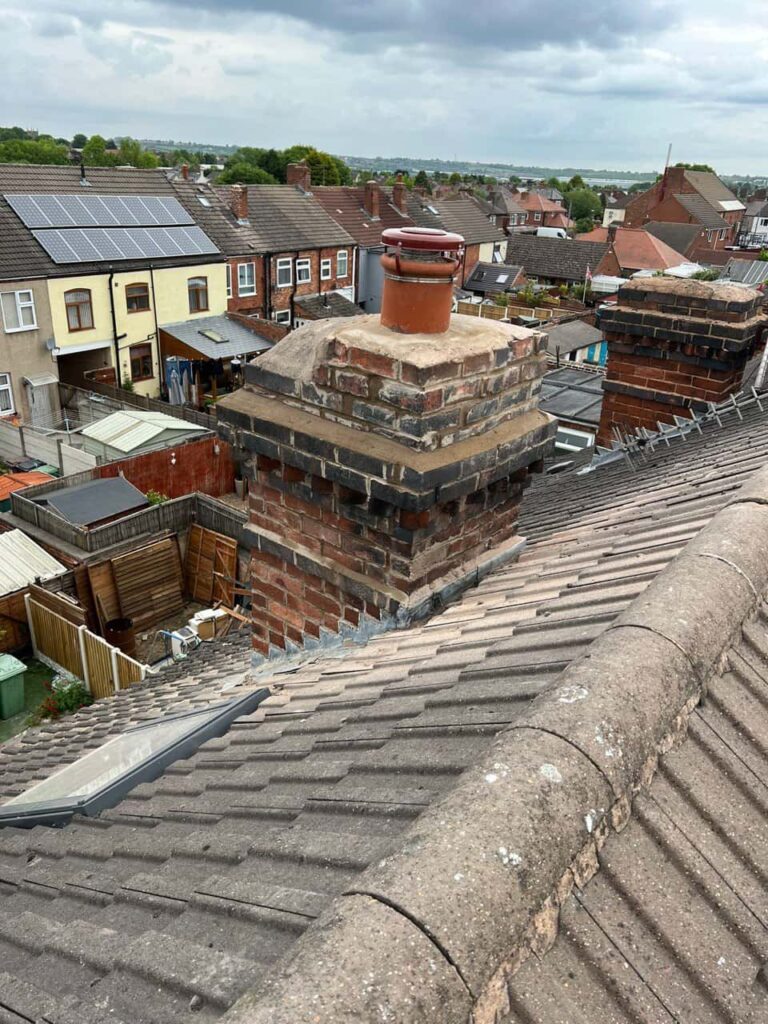
Finding the Underlying Cause of Recurring Roof Leaks
A roof leak that returns after previous repair work can be frustrating and difficult to understand. The most visible damp patch may have been treated, or an obvious external defect may have been repaired, yet water continues to enter during certain weather conditions.
A comprehensive professional roof inspection can often help end this cycle by identifying the route of the water and the defect responsible for it. For property owners in Emsworth, Hampshire, the important distinction is between repairing a symptom and diagnosing how the roof is failing as a complete system.
One inspection cannot guarantee that every complex leak will be resolved immediately. However, a methodical assessment provides a much stronger basis for lasting repair than repeated work focused only on the latest visible sign.
Why Roof Leaks Can Be Difficult to Trace
Water does not always enter directly above the internal damp patch. Once it passes through the external covering, it can travel along underlay, battens, rafters, pipes or other surfaces before becoming visible.
A leak may also occur only when rain approaches from a particular direction. This means the roof can remain apparently dry during one period of rainfall and leak during another.
Common routes of water movement include:
- Along the underside of roof tiles
- Across torn or sagging underlay
- Down rafters and supporting timbers
- Through gaps around roof penetrations
- From valleys into neighbouring roof sections
- Behind deteriorated flashing
- Along junctions between different roof coverings
Understanding this movement is essential because the internal symptom may be some distance from the source.
Previous Repairs May Have Addressed Only the Obvious Defect
When a leak appears near a cracked tile, replacing that tile may seem like the logical solution. However, the actual entry point could be failed flashing, deteriorated underlay or a defect further up the roof slope.
A previous repair may also have corrected one genuine problem while another remained undetected. Roofs contain numerous connected components, and more than one weakness can sometimes contribute to the same damp area.
A thorough inspection considers the surrounding roof rather than assuming that the nearest visible defect is solely responsible.
Several Small Defects Can Create One Recurring Leak
Not every persistent leak has one obvious cause. Water ingress may result from a combination of minor faults that only become problematic under particular conditions.
For example, slightly displaced tiles, weakened mortar and ageing underlay might each provide limited protection. Individually, none may produce a constant leak. Together, they can allow water to reach the interior during wind-driven rain.
This is why repeated isolated repairs sometimes fail to produce the expected result. The inspection needs to identify how the defects interact.
What Should a Professional Roof Inspection Examine?
A detailed assessment should include the area where moisture appears and the relevant sections of the external roof. Depending on access and roof design, it may consider:
- Cracked, slipped or missing tiles
- Tile fixings and supporting battens
- Ridge, hip and verge details
- Lead flashing and roof junctions
- Valleys and drainage routes
- Flat roof seams, edges and outlets
- Chimney surrounds
- Roof vents and other penetrations
- Underlay visible from the loft
- Damp marks on timbers or insulation
- Previous repair areas
- Guttering and roofline components
Looking at these elements together helps identify whether the leak comes from an isolated defect or wider deterioration.
The Weather Pattern Provides Useful Evidence
Information about when the leak appears can help narrow the investigation. A leak occurring only during strong wind may point towards displaced materials or a vulnerable junction exposed to wind-driven rain. Water appearing after prolonged rainfall may suggest slow saturation or restricted drainage.
Useful observations include:
- Which room or ceiling is affected
- Whether the patch grows during rainfall
- The direction of the wind when it occurs
- How quickly moisture appears
- Whether dripping continues after rain stops
- If the problem happens during every rainfall
- Whether the location has changed over time
Photographs and dated observations can assist the assessment, especially when the leak is intermittent.
Previous Repair Areas Need Careful Attention
Earlier repairs can provide valuable information. They may reveal where contractors previously suspected water was entering and whether the same area has continued to deteriorate.
The inspection should check:
- Whether replacement materials remain secure
- How repairs connect with the original roof
- Whether sealants have separated or weathered
- If damage has developed beside the repaired section
- Whether water could be entering from higher up
- If several repair patches indicate a broader weakness
The purpose is not to assume that previous work was incorrect. A sound repair may remain intact while a separate nearby defect causes a similar internal symptom.
Could the Damp Be Unrelated to Rainwater Entry?
A recurring damp mark is not always caused by an external roof leak. Condensation, plumbing faults and trapped moisture can sometimes create similar symptoms.
The timing and position of the damp are important. Moisture that appears only during rainfall suggests water ingress, while persistent damp under dry conditions may require other possible causes to be considered.
A careful inspection helps avoid unnecessary roof work by checking whether the visible evidence is consistent with an external defect.
Why an Inspection Can Prevent Repeated Patch Repairs
A professional inspection creates a clearer picture of the roof’s condition before more work is completed. Instead of responding to each damp patch separately, it connects internal evidence with external vulnerabilities and previous repair history.
This can help determine:
- The most likely point of entry
- The route water follows
- Whether one or several defects are involved
- How much of the roof is affected
- Which repair method is appropriate
- Whether the surrounding materials remain serviceable
The resulting repair can then address the underlying cause rather than temporarily covering an opening.
Can One Inspection Always Find the Leak?
Many leaks can be diagnosed through a detailed inspection, but intermittent or concealed defects may require further investigation. A roof may also contain several possible entry points, making it necessary to prioritise repairs and monitor the result during later rainfall.
This does not reduce the value of the initial assessment. It provides evidence, rules out unsuitable explanations and creates a structured approach to resolving the problem.
Conclusion
One professional roof inspection can often help end a cycle of repeated leaks when it identifies the true entry point, the route of the water and any connected defects. Its value lies in examining the roof as a complete system rather than repeatedly treating the most visible symptom.
Some complex leaks may require monitoring or staged investigation, but a methodical assessment is the most sensible starting point. If your property in Emsworth has a recurring roof leak, Emsworth Roofing Repairs can inspect the affected areas and recommend an appropriate repair based on the evidence found.
Call us on: 023 8235 6170
Click here to find out more about Portchester Roofing Repairs
Click here to complete our contact form and see how we can help with your roofing needs.